Customer growth
The indoor gun range customer journey, from first visit to regular
Use the waiver, visit history, and timely follow-up to give each new shooter a sensible reason to return.
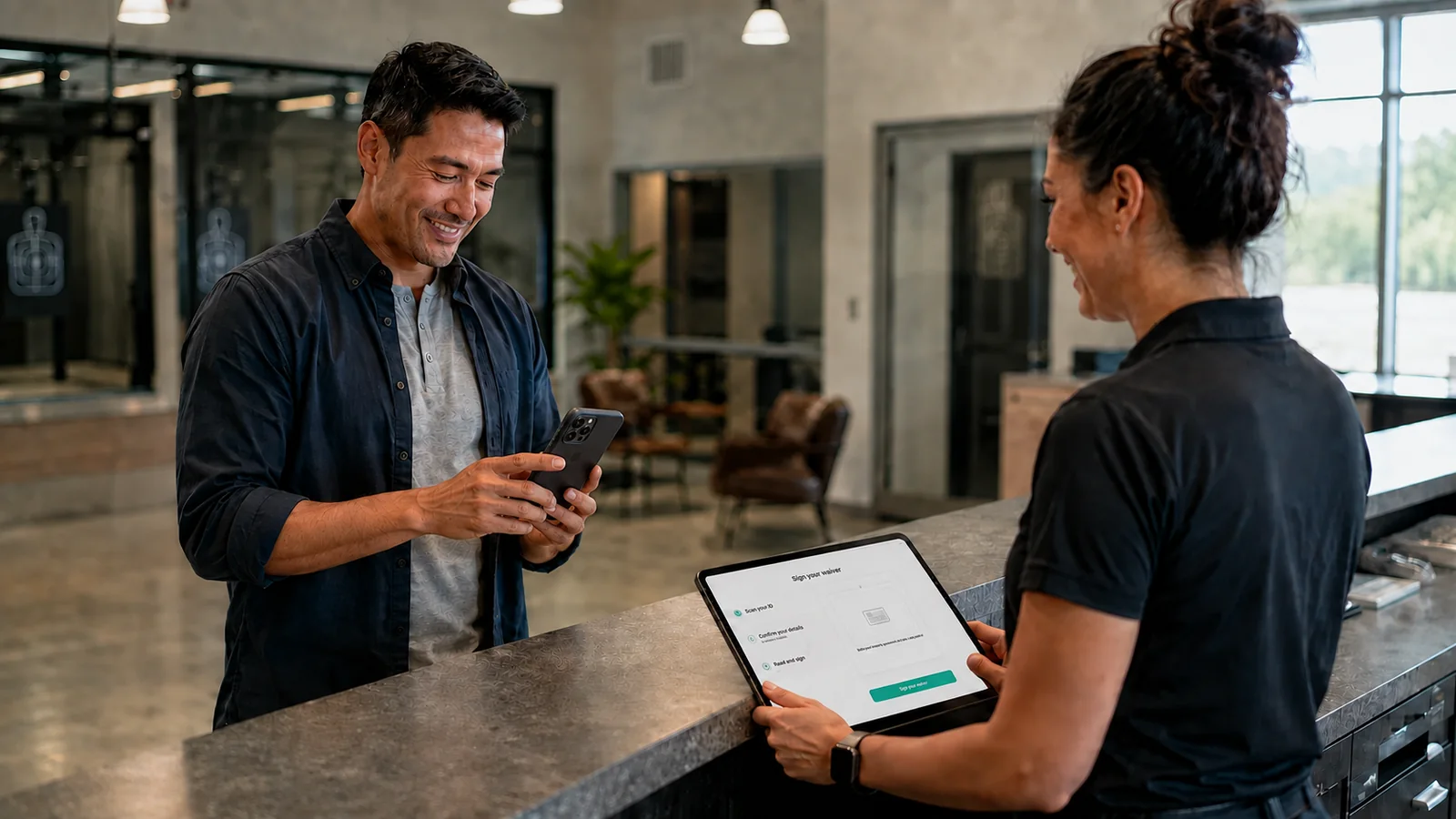
A first visit can go well and still go nowhere. The customer had a good hour, thanked the staff, and left. Six months later, the range has their signed waiver but no useful memory of the visit. The customer has no reason to think about the range again.
That gap is where a customer journey earns its keep. It is not a diagram for the marketing folder. It is the set of small handoffs that help a person discover the range, arrive prepared, feel known at the counter, and find a sensible next visit.
Inbound marketing gives the idea a simple shape. Attract the right people with useful information. Engage them by making the decision easier. Delight them by helping after the transaction. HubSpot's current inbound guide uses the same attract, engage, and delight framework.
An indoor gun range can apply that framework without turning every staff member into a marketer.
Map the real visit first
Start with what happens now. Write down the path from the customer's point of view, including the awkward parts.
They find the range in Maps. They open the site on a phone. They wonder whether walk-ins are welcome. They call because the rental policy is unclear. They arrive during a rush, wait for a waiver tablet, repeat their address at the register, and ask which class is right for a beginner.
That list is more useful than a polished funnel. Each delay points to a place where better information or a connected system can help.
Ask counter staff what they explain every day. Ask instructors what students wish they had known. Read reviews for repeated praise and complaints. The journey should reflect your range, not a generic retail template.
Attraction begins with useful answers
The first job is to earn attention from people who can visit. Publish pages that answer real questions about first visits, lane reservations, training levels, memberships, and rentals. Keep local business information current. Use clear photos of the facility.
Google says complete, accurate business information helps it understand relevance for local results. Reviews and links also contribute to prominence. Its local ranking guide explains the factors in plain language.
Do not chase every consumer query with a thin article. One thorough first-visit guide can answer clothing, ID, arrival time, eye and ear protection, rental rules, and how to book. That page can support the front desk for years.
The waiver is a useful handoff
A waiver is often the first structured information a range receives from a new visitor. If the waiver sits apart from the customer record, staff cannot easily use it to improve the next interaction. They may not even know the same person has visited before.
Solidus uses license capture to help fill the waiver and connect the submission with a customer record. The practical benefit is simple: less typing for the guest and a cleaner identity for the range. The system can then recognize the waiver event as a trigger.
That trigger should lead to help, not noise. A welcome email might include:
- A link to book the next lane
- The beginner class schedule
- A clear explanation of rentals
- Contact information for questions
Do not cram every offer into the first message. The customer just met you. Give them the piece of information most likely to make the next visit comfortable.
Explore Solidus marketing workflows to see how waiver events can connect to follow-up.
Make the counter remember
Recognition is a powerful part of hospitality. It does not require staff to memorize every face. A useful customer record can show recent visits, membership status, class activity, and relevant forms when the person checks in.
The goal is not to surface everything. The goal is to help the employee answer the next question. Is the waiver current? Does this member have a benefit that applies? Did the customer already take the introductory class? Is there a booking today?
When range time, rentals, purchases, and customer records live in separate tools, staff become the integration. They search tabs while a line forms. Connected range and POS workflows reduce that burden. See Solidus point of sale.
Build follow-up around behavior
Calendar blasts treat everyone alike. Behavior gives the message a reason to exist.
A new waiver can start a welcome note. A class registration can send preparation details. A completed beginner class can lead to the next appropriate course. A member who has not visited for a while can receive a friendly reminder. A recent visit can prompt a review request.
Set a clear stop condition. If the customer books the class, stop inviting them to book it. If they become a member, remove them from the general membership pitch. If they opt out, honor it everywhere.
The FTC's CAN-SPAM guide applies to commercial email, including many messages sent to existing customers and members. Accurate sender information, honest subject lines, a physical address, and a clear opt-out belong in the process from the start. This article is operational guidance, not legal advice. Review your practices with qualified counsel.
Ask for the next right visit
The same offer is not right for every shooter. A first-time guest may need an introductory class. A regular renter may be considering a membership. A member who visits often may value training or an event. A parent may be looking for a private lesson.
Use the information customers have actually given you. Avoid guesses about politics, lifestyle, skill, or personal circumstances. Useful segmentation can stay close to the range: visit recency, class enrollment, membership status, booking history, and stated interests.
A good message sounds like a staff member who remembers the conversation. “You asked about the fundamentals class, and the next session is open” is more helpful than “Do not miss this incredible opportunity.”
Treat reviews as part of the journey
The review request is not the finish line. It is one more conversation.
Google allows businesses to ask customers for genuine reviews, but it prohibits incentives in exchange for reviews. Google's review guidance also recommends short, relevant replies and careful handling of private information.
Set rules for review responses. Positive reviews can receive a short personal thank-you. Questions can be answered directly. Complaints should be routed to a manager. Claims about safety, staff conduct, or a specific transaction should not receive an unsupervised automatic reply.
Solidus supports Google review management and configurable AI replies for reviews that meet your rules. That last phrase matters. Automation should handle the routine work and make the exceptions easier to see.
Use a few measures that change decisions
Measure the handoffs. How many local visitors reach booking? How many bookings complete a waiver before arrival? How many first-time guests return within the period you consider healthy? Which classes lead to another enrollment? How often do members use the range?
Pick definitions your team can repeat. A “returning customer” should mean the same thing in every report. Separate booked revenue from completed visits. Do not confuse an email open with a lane visit.
Use the answers to adjust the journey. If beginners return after class but rarely book the class, improve the invitation. If members enroll but stop visiting, fix onboarding before adding another discount.
Keep the journey small enough to run
Begin with one path: first-time visitor to second visit. Fix the local page. Connect the booking and waiver. Send one useful welcome email. Ask for a review after a completed visit. Add a re-engagement message only after the first path works.
The result should feel less like marketing to the customer. They get the answer when they need it. Staff have context at the counter. The owner can see where people drift away.
Solidus brings the storefront, waiver, customer record, range visit, POS, and follow-up into the same operating view. Book a demo and we will map one real customer path from your range.