Range marketing
Indoor shooting range marketing that turns local searches into visits
A practical plan for helping nearby shooters find your range, trust what they see, and book their first visit.
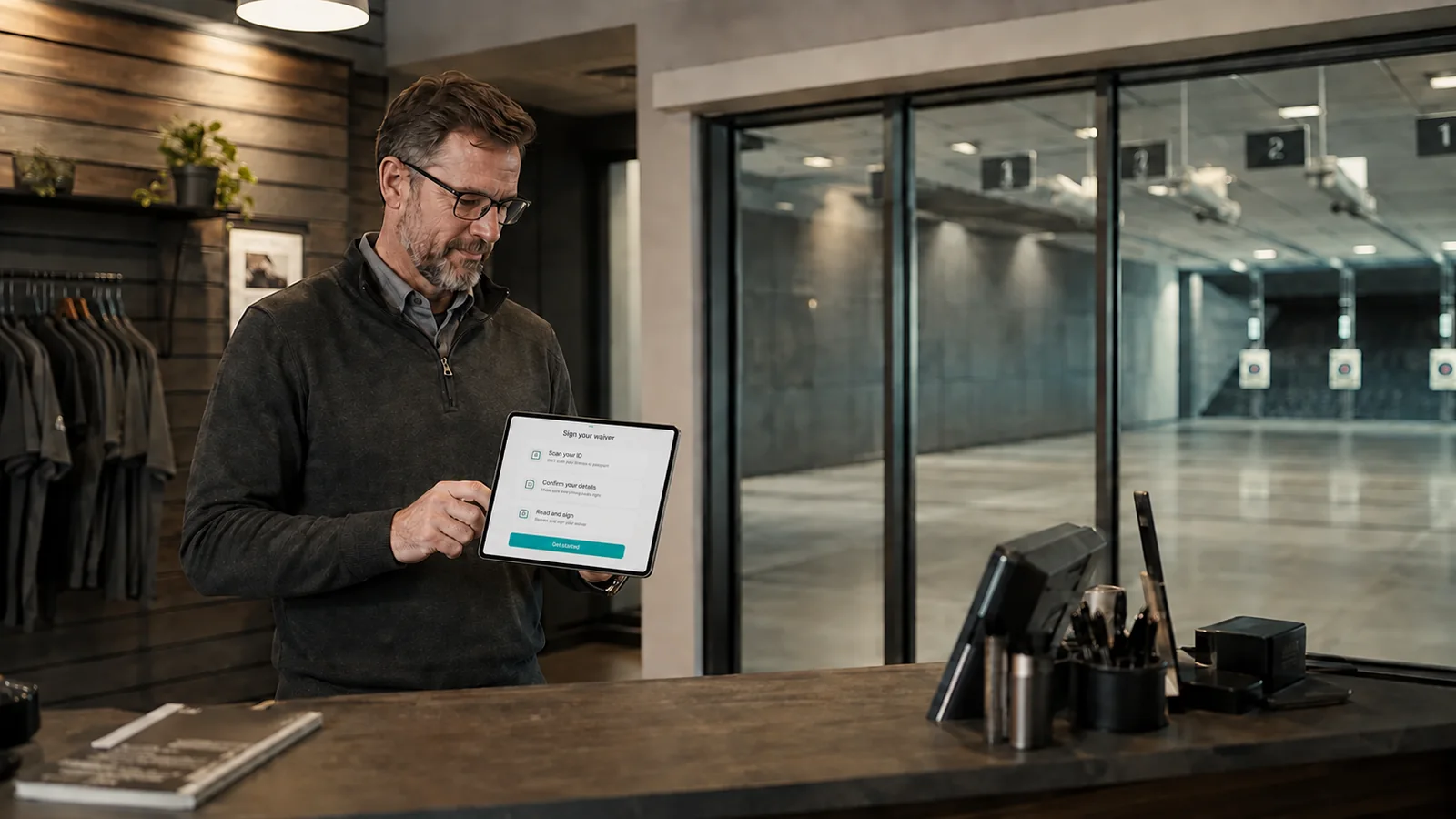
A person who searches for an indoor shooting range is usually close to making a decision. They may be comparing hours, drive time, rental options, class availability, or whether your range feels welcoming to a first-time guest. That makes local search valuable, but the search itself is only the front door.
The work that follows matters more. Your listing has to answer the first questions. Your website has to remove doubt. Your booking and waiver process has to feel easy. Then your follow-up has to give that first visit a reason to become a second one.
This guide lays out that whole path for an indoor range owner. It is based on the inbound marketing idea of attracting people with useful information, helping them take the next step, and continuing to be useful after the sale. HubSpot describes that model as attract, engage, and delight. For a range, the model is less abstract than it sounds.
Start with the local result
Google says local results are mainly shaped by relevance, distance, and prominence. You cannot change where the searcher is standing, but you can improve the information Google and the customer have to work with. Google recommends complete business information, current hours, photos, and thoughtful review replies.
Check the basics from a customer's phone, not from the computer where you manage the listing. Search your range name. Search the category in your town. Tap the call button, website link, and directions. Look for the small mistakes that create real friction: holiday hours from last year, an old phone number, a booking link that lands on the home page, or photos that never show the lobby.
Your photos should answer practical questions. Show the front entrance in daylight. Show the counter, lanes, classroom, rental wall, and a clean place to sit. A new shooter wants to know what arrival will feel like. An experienced shooter wants to see the quality of the facility. Good photos help both without a paragraph of sales language.
Build a page for the visit they want
A local visitor should not have to decode your site. Put the information that affects the decision near the top:
- Today's hours and address
- Lane pricing and session length
- What identification is required
- Rental and ammunition policies
- A clear booking or walk-in path
- A plain explanation for first-time guests
This is also where search language belongs. Use phrases such as “indoor shooting range” where they describe the page naturally. Do not repeat the phrase in every heading. Google advises site owners to use the words people would use to find the content, while keeping the page helpful and written for people. Its people-first content guidance is a useful editorial check.
The best local page is often the one your counter staff would send to a nervous caller. If the page answers the call before it happens, it is doing useful marketing work.
Give each visitor one next step
Many range websites present five equal buttons: call, book, shop, join, or sign a waiver. That feels flexible to the owner and indecisive to the customer. Pick the main action for the page.
For a general local landing page, “Book a lane” is usually clearer than “Learn more.” If your range accepts walk-ins, explain that beside the button. If a waiver can be completed before arrival, offer it after the reservation rather than making a new guest guess which form comes first.
The handoff matters. A booking should carry the date, service, and customer into the next screen. The confirmation should say what to bring and when to arrive. The waiver should not ask the customer to retype information you already have unless there is a good reason.
Solidus connects online booking, customer records, waivers, and range operations so that this handoff can stay with the visit. See how range services work in Solidus.
Let the waiver begin the relationship
Most ranges need a waiver. Many treat it as a document that disappears into storage. It can also be the cleanest moment to create a useful customer record, as long as your form and marketing practices follow applicable law and your own policies.
Solidus uses license capture to help fill the waiver and connect the signed submission with the customer. That reduces repetitive typing at the door. It also gives the range a reliable trigger for a welcome workflow.
The first follow-up does not need a coupon. A useful message can cover where to park, what to bring next time, how rentals work, and which beginner class is appropriate. The timing feels natural because it responds to something the customer actually did.
Keep marketing consent and transactional communication clear. A waiver confirmation and a promotional email may have different purposes. The FTC's CAN-SPAM guide explains requirements for commercial email, including accurate headers, honest subject lines, a physical address, and a working opt-out.
Ask for reviews without making them strange
A review request works best after a real experience, when the customer still remembers the staff member who helped them. Keep the note short. Link directly to the review form. Do not offer a discount, free lane time, or another incentive in exchange for a review. Google prohibits incentives for reviews.
Reply like a person. If someone praises an instructor, thank them and mention the instructor by name if appropriate. If someone reports a long wait, acknowledge it and move the detailed conversation to a private channel. Copying the same promotional response under every review makes the range look unattended.
Solidus can bring Google reviews into the operating view and support rules for AI-assisted replies. The owner still sets the rules. Sensitive or negative comments deserve human judgment.
Measure the full path
Traffic is a clue, not the finish line. Track the path from local discovery to an outcome the range values. Useful measures include booking starts, completed reservations, completed waivers, first visits, and return visits. Watch the percentage that moves from one step to the next.
Do not add estimated keyword volumes into a revenue forecast. Search tools count phrases, variants overlap, and many searches come from consumers outside your service area. Your own booking and customer records are more useful once enough data has accumulated.
Review the path once a month. If many people reach the booking page and stop, inspect the form on a phone. If first visits are healthy but returns are weak, improve the follow-up rather than buying more traffic. If calls keep asking the same question, answer it on the page.
A workable 30-day plan
During the first week, fix your Business Profile, hours, categories, photos, and links. During the second, rewrite the local visit page around the questions your staff hears. During the third, connect booking, waiver, and confirmation steps. During the fourth, add one welcome message and one honest review request.
That is enough to build momentum. A smaller path that works every day is worth more than a large campaign your staff cannot maintain.
Solidus is built to connect the visit with the customer relationship. If you want to see how the website, booking, waiver, POS, and follow-up can work together, book a demo. We will use your actual customer path, not a canned retail example.